Introduction
IgA Nephropathy (IgAN) is the most common form of glomerulonephritis. The highest incidences of IgAN are from Eastern Asian countries (Japan, China, and South Korea) and European countries (France and Germany) (1). The Mediterranean diet is widely discussed as a kidney-friendly eating pattern, but it does not reflect the same flavors or foods as traditional Asian cuisine. This can lead to confusion on how best to eat for your kidneys. Asian eating patterns are diverse, and there is no one single “Asian Diet.” Many traditional Asian foods can fit into and should continue to be a part of an IgAN-friendly diet. The goal of any kidney-friendly eating pattern is to support kidney health and not reflect the preference of one culture or set of flavors over another. Although everyone’s nutritional needs are different, this article is intended to show how traditional Asian foods can be used and are kidney-friendly.
Why Adapt Traditional Recipes?
Many traditional Asian dishes are focused on vegetables, seafood, legumes, and fermented foods. All of these foods aim to support kidney and gut health. Some dishes, however, favor high-sodium ingredients and frying methods that can make eating a kidney-friendly eating pattern hard to follow. Learning to identify added salt, swap for low-sodium alternatives, and use alternative cooking methods is a great way to focus on health. It is important to know that the flavors and foods should typically stay the same. It may be the portions, frequency, or cooking method that changes.
Special Considerations for IgA Nephropathy
Every person’s nutrition needs with IgAN are different depending on their stage of kidney disease, growth, and other health factors. The list below highlights what types of nutrients may need to be monitored:
- Sodium intake to help manage blood pressure and proteinuria.
- Protein intake based on kidney function and proteinuria.
- Potassium or phosphorus (if elevated).
- Fluid intake only if recommended by their healthcare team.
Kidney-Friendly Ingredients to Emphasize
The following is a list of kidney-friendly foods that can be incorporated:
Vegetables
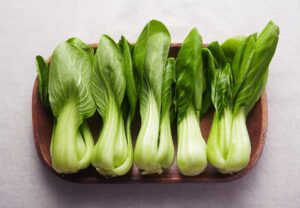
- Bok choy
- Napa cabbage
- Snow peas
- Mushrooms
- Bell peppers
- Eggplant
- Cucumber
Lean Proteins
- Fish
- Skinless chicken
- Tofu (if appropriate)
- Eggs
- Moderate portions of lean pork
Whole Grains
- Brown rice (if appropriate)
- Oats
- Portion sizes based on individual nutrition goals
Healthy Fats
- Sesame oil (used sparingly for flavor)
- Avocado or olive oil
- Nuts and seeds
Ingredients That May Need Modification
The following list is of foods that may need to be adjusted to reduce sodium/salt.
High-sodium ingredients:
- Soy sauce
- Fish sauce
- Oyster sauce
- Hoisin sauce
- Miso
- Instant ramen seasoning packets
- Packaged soup bases
- Pickled vegetables
Suggest healthier alternatives:
- Coconut Aminos/ Low Sodium Tamari
- Low-sodium broth
- Rice vinegar
- Fresh citrus juice
- Garlic
- Ginger
- Fresh herbs
- Chili peppers
- Toasted sesame seeds
Kidney-Friendly Cooking Tips
The following is a list of ways to cook that reduce deep frying and potentially impact your kidney and overall health.
Practical suggestions:
- Steam instead of deep fry.
- Stir-fry with less oil.
- Flavor foods with garlic, ginger, scallions, lemongrass, and herbs.
- Taste before adding salt.
- Prepare homemade broths when possible.
- Control portion sizes for protein-rich dishes.
Conclusion
Not all Asian eating patterns are the same; however, Asian eating patterns are inherently kidney-friendly. Some adjustments may need to be made to reduce sodium, adjust the portion of protein or adjust the cooking method to balance kidney and overall health. Culturally meaningful meals should be a part of everyone’s eating plan. If you are having difficulty figuring out what foods are best for you; check out the IgANCare list of healthcare providers or the recipes on our website.
Citations:
- Lee M, Suzuki H, Nihei Y, Matsuzaki K, Suzuki Y. Ethnicity and IgA nephropathy: worldwide differences in epidemiology, timing of diagnosis, clinical manifestations, management and prognosis. Clin Kidney J. 2023 Dec 4;16(Suppl 2):ii1-ii8. doi: 10.1093/ckj/sfad199. PMID: 38053973; PMCID: PMC10695519.

 Alternative Proteins for IgAN: Portion Sizes and Timing to Promote Your Health Goals
